Fine Motor Activities for Preschoolers: Easy Ideas by Age (3-6)
Simple fine motor activities for preschoolers ages 3-6: playdough, stickers, tweezers, tracing and scissor skills, with a plan for short daily practice.
Quick answer: the best fine motor activities for preschoolers are short, playful tasks that build hand strength and control: playdough, stickers, tweezers, lacing, tearing paper, tracing lines and cutting with child-safe scissors. Ten minutes a day, a few times a week, is enough to see progress.
Fine motor skills are the small hand movements children need for writing, getting dressed, eating and drawing. They grow fastest between ages 3 and 6, and the good news is that most of the practice looks exactly like play.
Why fine motor skills matter before school
A child who has strong fingers and a steady hand finds pencil grip, letter writing and cutting much easier in kindergarten. The American Academy of Pediatrics explains the typical hand and finger skills of preschoolers, and the CDC’s developmental milestones are a helpful reference if you want to check where your child is.
Activities by age
Age 3: strength and squeezing
- Squish, roll and pinch playdough into “snakes” and “cookies”.
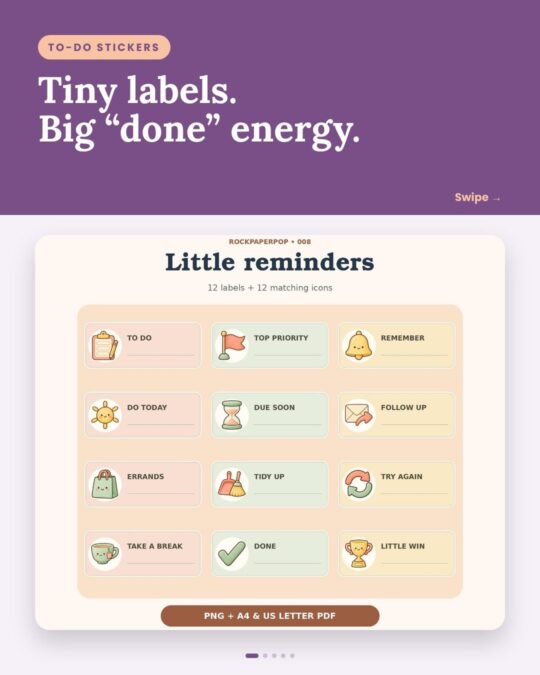
- Peel and stick stickers on a sheet of paper (a favorite for pincer grip).
- Tear paper strips and glue them into a collage.
- Use a spray bottle to water plants.
- Post coins or buttons into a slot in a box lid.
Age 4: control and coordination
- Pick up pom-poms with kids’ tweezers or tongs.
- Thread large beads or pasta onto a shoelace.
- Trace thick straight, wavy and zigzag lines.
- Snip the edges of paper strips to make “fringe”.
- Fold paper in half and in quarters.
Make it easier: for structured line practice that builds step by step, print the Trace Trace Hooray! pencil control book (143 activities in 7 levels).
Ages 5-6: precision
- Cut along curves and simple shapes.
- Button and zip a jacket on their own.
- Copy shapes and letters with a pencil.
- Do simple mazes and dot-to-dots.
- Build small Lego models from instructions.
Scissor skills: how to start
Scissors are one of the best fine motor tools because they train both hands to work together. Start with child-safe scissors and thick card stock, which is easier to hold than thin paper. Teach “thumb on top” and the open-shut motion first, then move to snipping, straight lines, curves and finally shapes.
Make it easier: a leveled cutting book takes the guesswork out of what comes next. Try Snip Snip Hooray! scissor skills book (47 cutting activities for ages 3-5).
Make practice stick
- Keep it short. Stop while it is still fun.
- Use a tray. A baking tray keeps beads and paper scraps in one place.
- Sit at a table. Feet flat and elbows on the table make control easier.
- Praise effort, not neat results.
- Rotate activities so there is always something new.
Fine motor time also fits nicely into a daily homeschool routine for young kids, and many of these ideas double as screen-free activities for rainy days.
From fine motor to writing
Once tracing lines is easy, children are ready to form letters. Our guide on how to teach a child to write letters picks up exactly where this one ends.
Frequently asked questions
What are fine motor skills in preschoolers?
Fine motor skills are small, controlled movements of the hands and fingers, like holding a crayon, snipping with scissors, threading beads and fastening buttons.
When should a child be able to use scissors?
Many children start snipping paper around age 3 and can cut along a straight line around age 4. Cutting curves and simple shapes usually comes between 4 and 6.
How can I improve my child’s fine motor skills at home?
Short daily play works best: playdough, tweezers and pom-poms, stickers, tearing paper, lacing cards, tracing lines and cutting practice. Ten minutes a day is plenty.
Should I worry if my preschooler struggles with fine motor skills?
Children develop at different speeds. If you have concerns, check the CDC milestone checklists and talk to your pediatrician, who may suggest an occupational therapy assessment.
Keep reading
Printables from this post